

The right filter starts with your water report
Get the filter that fits your water, at a fair price.
Tell us what your water report says and your budget. We'll weigh LifeStraw against the alternatives that fit your water, and check any quote so you don't overpay.
- ✓ Free
- ✓ No sales pitch
- ✓ Reply in ~2 days
Product Range
Our LifeStraw Review
LifeStraw is the pitcher to compare when microplastics and microbial claims matter. It is slower and more maintenance-heavy than basic pitchers, but the filter architecture is genuinely different.
The Home 7-Cup Plastic pitcher is $44.95, the 10-Cup is $49.95, and both the Home 7-Cup Glass pitcher and the Home Dispenser are $64.95 on lifestraw.com. Go Series filtered bottles run $49.95 to $64.95 depending on size and material. Replacement filters are the recurring cost to budget: Home replacement packs range from $16.95 to $75.95 depending on pack size, and the two-part design means the carbon and ion exchange filter turns over much faster than the membrane microfilter. A $14.95 per shipment filter subscription is the cheapest steady-state path. LifeStraw runs occasional bundle discounts (a Home plus 6-month replacement pack sells for $69.90) rather than deep sitewide sales.
lifestraw.com · Verified July 2026
Before you buy LifeStraw
The fastest buyer pages to read next if this brand is on your shortlist.
Best pitcher for PFAS and lead
Certification claims, flow, cartridge cost, and which pitcher brands actually back their reduction numbers.
The annual replacement cost
Cartridge life and certified capacity decide what a pitcher really costs per year, not the sticker price.
Read your water report first
The numbers in your Consumer Confidence Report decide which filter you need, before any brand comparison.
From LifeStraw
Official product imagery and links from the brand.
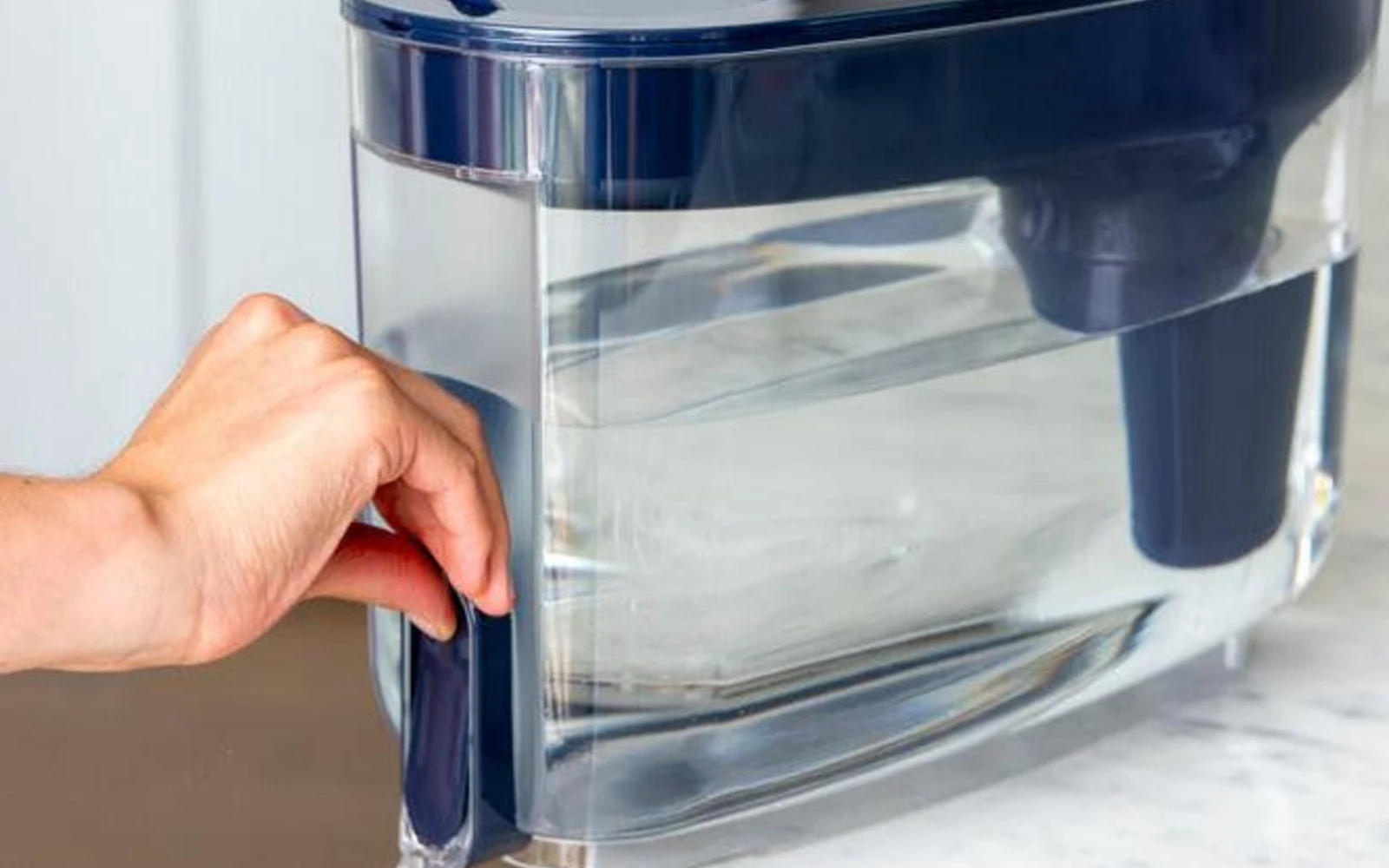
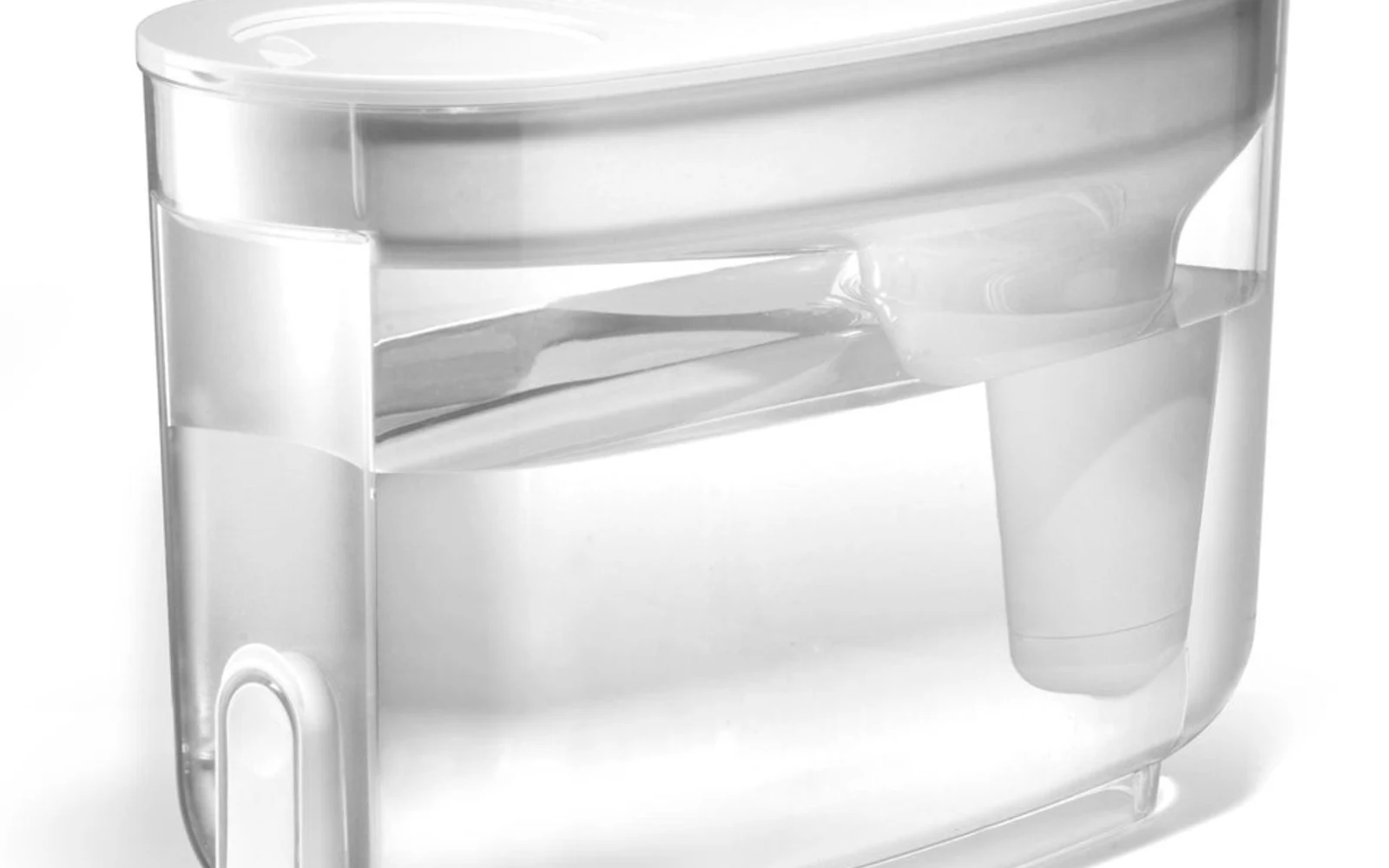
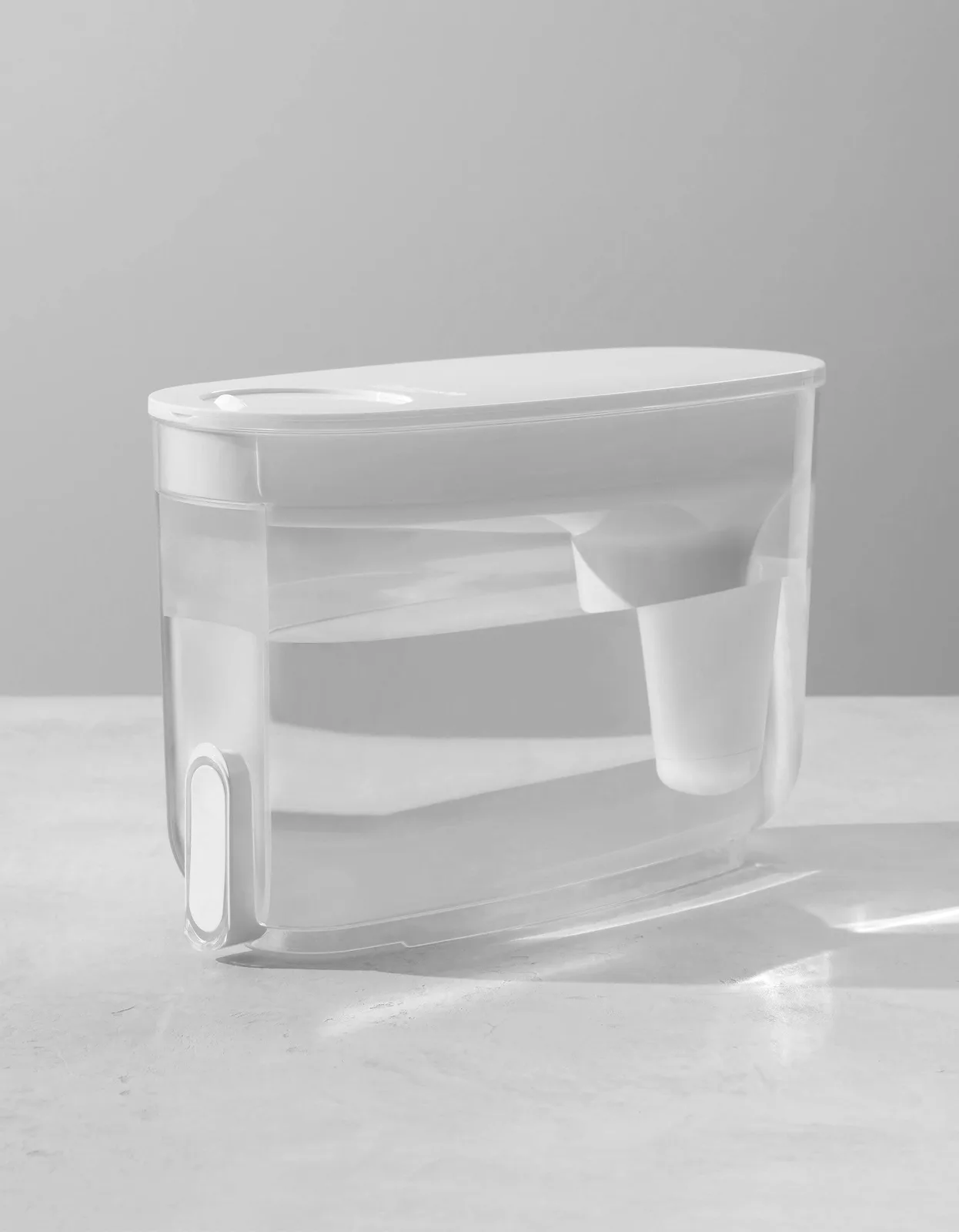

Images courtesy of LifeStraw.
Strengths & Considerations
Strengths
- +Membrane microfilter adds a category of protection most pitchers do not have.
- +Glass pitcher options reduce plastic contact in the serving vessel.
- +Strong brand credibility from outdoor and humanitarian filtration work.
Watch Out For
- −Slower flow than basic pitchers.
- −Two-filter replacement cadence is more complex.
- −Still not a substitute for a tested well-water treatment plan.
Before You Buy: Confirm These
Certifications are model-specific, not brand-wide. Confirm these points against the exact model number and your own water report before you order.
- ?Check the exact LifeStraw Home contaminant list, not the outdoor straw claims.
- ?Plan for both membrane and carbon filter replacement schedules.
- ?If your main concern is TDS, compare ZeroWater or RO instead.
Alternatives to Compare
Clearly Filtered
premiumClearly Filtered is not the budget pick. It is the pitcher to compare when your concern list is wider than chlorine taste and you cannot install an under-sink system.
Culligan ZeroWater
budgetZeroWater is one of the best value pitchers when certified contaminant reduction matters more than mineral taste. It is not the right pick if your source water has high TDS and you hate frequent cartridge changes.
Brita
budgetBrita is not the strongest filter brand. It is the cheapest credible baseline. Buy Elite if lead reduction matters, skip Standard if your concern list goes beyond taste and chlorine odor.
Comparing a few brands?
Tell us what your water report says and your budget. We'll tell you whether LifeStraw or one of these fits your water better, and check any quote so you don't overpay.
Why Consider LifeStraw?
LifeStraw Home uses a membrane microfilter plus carbon/ion exchange filter. It is most differentiated where bacteria, parasites, microplastics, and lead/PFAS are all part of the buyer concern set.
Key Models
Certified claims can differ between these models. Check the exact model against the NSF/ANSI, WQA, or IAPMO listing for the contaminant you care about.
Support & Warranty
LifeStraw products and parts carry a 3-year limited warranty against defects, except carbon filters which get 60 days. Claims go through info@lifestraw.com with proof of purchase, and refunds are only offered on purchases made directly on lifestraw.com.
FAQ
Is LifeStraw worth it in 2026?
LifeStraw is the pitcher to compare when microplastics and microbial claims matter. It is slower and more maintenance-heavy than basic pitchers, but the filter architecture is genuinely different.
How much do LifeStraw water filters cost?
LifeStraw water filters run from about $45 up to about $65 based on current pricing on lifestraw.com as of July 2026. The Home 7-Cup Plastic pitcher is $44.95, the 10-Cup is $49.95, and both the Home 7-Cup Glass pitcher and the Home Dispenser are $64.95 on lifestraw.com. Go Series filtered bottles run $49.95 to $64.95 depending on size and material. Replacement filters are the recurring cost to budget: Home replacement packs range from $16.95 to $75.95 depending on pack size, and the two-part design means the carbon and ion exchange filter turns over much faster than the membrane microfilter. A $14.95 per shipment filter subscription is the cheapest steady-state path. LifeStraw runs occasional bundle discounts (a Home plus 6-month replacement pack sells for $69.90) rather than deep sitewide sales.
Who is LifeStraw best for?
Renters and families who want a pitcher that goes beyond taste and includes membrane filtration.
What should buyers watch out for with LifeStraw?
Check the exact LifeStraw Home contaminant list, not the outdoor straw claims.
What brands should you compare against LifeStraw?
Most buyers should compare LifeStraw with Clearly Filtered, Culligan ZeroWater and Brita before deciding. That gives you a better read on price, certified claims, and replacement filter costs.
How strong is LifeStraw on warranty and support?
LifeStraw products and parts carry a 3-year limited warranty against defects, except carbon filters which get 60 days. Claims go through info@lifestraw.com with proof of purchase, and refunds are only offered on purchases made directly on lifestraw.com.
Official sources (3) · Verified Jul 12, 2026
We prioritize official product pages, NSF/WQA/IAPMO lookup tools, EPA guidance, and current performance data sheets. Marketing claims are not treated as certified claims unless a recognized certifier supports them.
Methodology
Brand verdicts are based on buyer fit, certification clarity, contaminant coverage, replacement cost, support path, and ownership risk. A strong reply from a manufacturer can improve factual clarity, but it does not improve placement.
If support coverage, warranty language, or dealer access are thin, we would rather say that plainly than hide it behind marketing copy.
Learn More
Not sure LifeStraw fits your water?
Start with the water, then choose the filter. Get the free guide: certified claims, replacement costs, and the mistakes to avoid.
Just starting your water filter research?
Certified claims, replacement costs, and the mistakes to avoid. One email, no spam.
Not sure what type you need? Use the filter picker