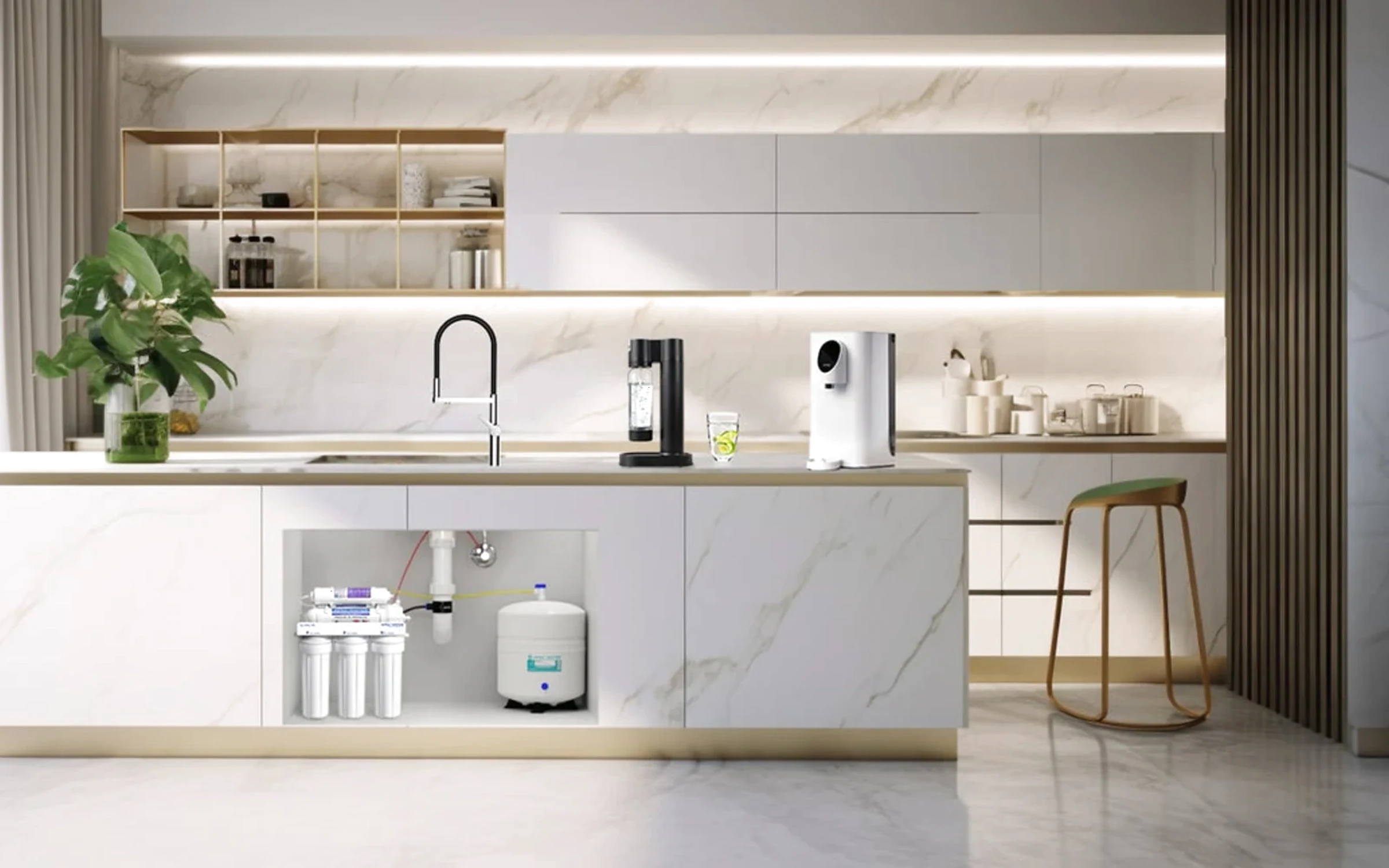
We don't sell water filters.
We save you from buying the wrong one.
The independent guide to home water filtration. What it actually costs, which technology fits your water report, and what everyone gets wrong.
Just starting your water filter research?
Certified claims, replacement costs, and the mistakes to avoid. One email, no spam.
Not sure what type you need? Use the filter picker
Start here
Four useful paths. Pick the question you have now.
Sound familiar?
You have a water report, a dozen claims, and no clean answer.
Most filter advice starts with a product. That is backwards. The right answer depends on what is in your water: lead, PFAS, chlorine taste, nitrate, arsenic, hardness, sediment, bacteria, or simply old pipes.
A pitcher can be perfect for taste and lead in an apartment. A reverse-osmosis system can be right for nitrate, arsenic, fluoride, or high TDS. A whole-house filter can improve every shower and appliance, while still doing nothing for some kitchen-tap contaminants.
The expensive mistake is buying the filter with the best marketing instead of the filter certified for the problem you actually have.
Buying by brand first
A good brand can still sell the wrong type of filter for your water. Technology and certification come before logo.
Trusting vague claims
Words like clean, pure, and detox are not standards. Look for the exact NSF/ANSI claim, the model number, and the contaminant list.
Ignoring replacement cost
A cheap system with proprietary cartridges can become expensive fast. The real price is the first year plus the next three years.
Close the other tabs
A buyer path that starts with the water.
Read the full guides, compare the researched brands, or answer a few questions and get a practical filter direction.
Read your water report
Learn which numbers matter, which ones are aesthetic, and when a certified lab test is worth it.
Read the guide →Choose the right technology
Carbon, ion exchange, reverse osmosis, UV, sediment, and whole-house systems solve different problems.
Read the guide →Shortlist brands by fit
Compare Aquasana, Waterdrop, APEC, Clearly Filtered, ZeroWater, SpringWell, Pentair, and more with pros, cons, and source links.
Read the guide →Just starting your water filter research?
Certified claims, replacement costs, and the mistakes to avoid. One email, no spam.
Not sure what type you need? Use the filter picker
The test is simple: does the claim match the problem?
Certification first
We separate NSF/ANSI standards, third-party listings, and manufacturer marketing so you can see what is actually verified.
Ownership math
Replacement filters, installation, wasted water, tanks, electricity, flow rate, and support all count.
Clear downsides
Every brand profile has strengths, weaknesses, caution points, alternatives, and sources checked on July 5, 2026.
When you are ready to buy
The brands worth a serious shortlist.
We researched 14 major water filter brands across pitcher, faucet, under-sink, reverse osmosis, and whole-house categories.
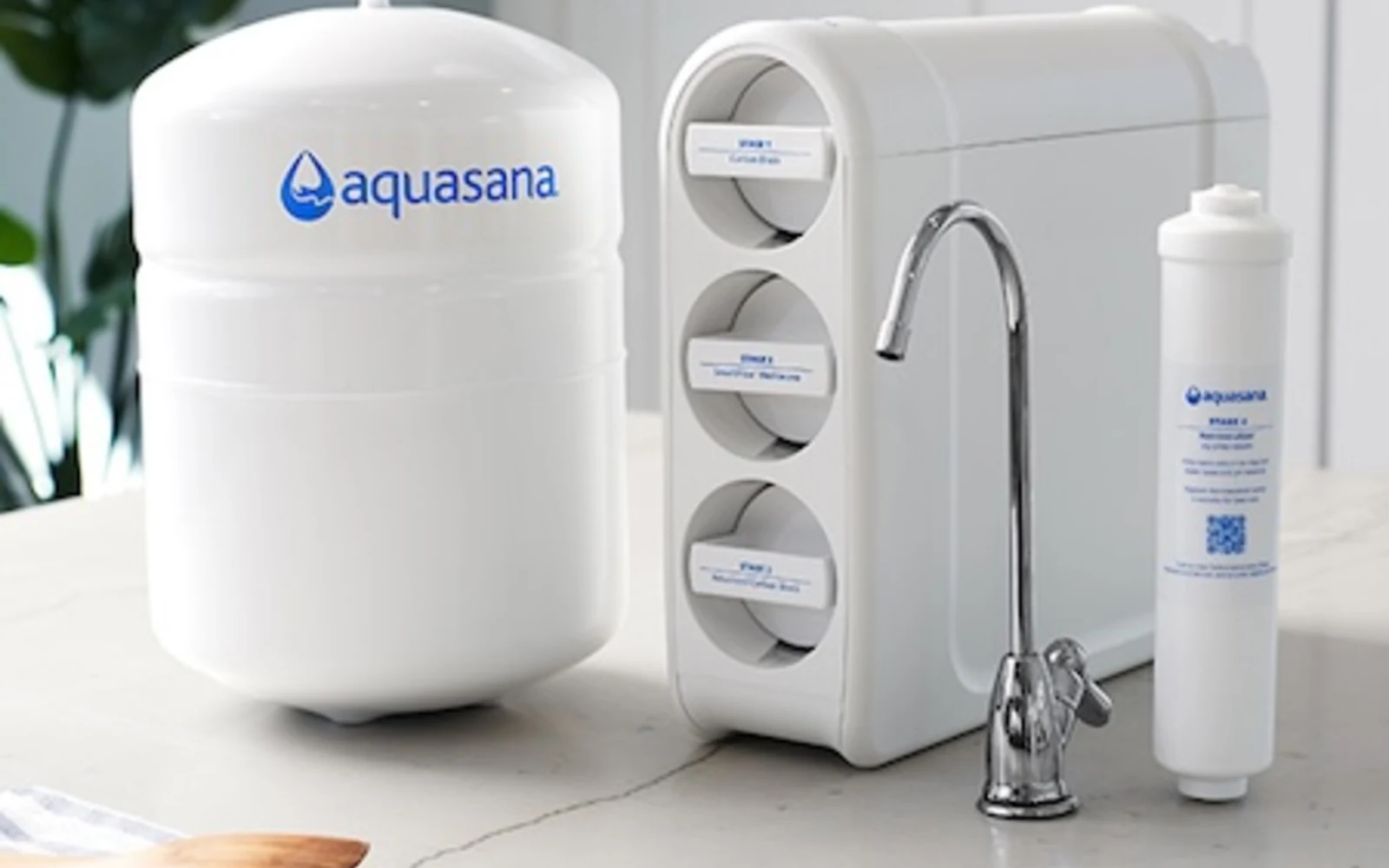
Aquasana
United States · under sink
City-water households that want a certified under-sink filter with higher flow than a pitcher and no reverse-osmosis tank.
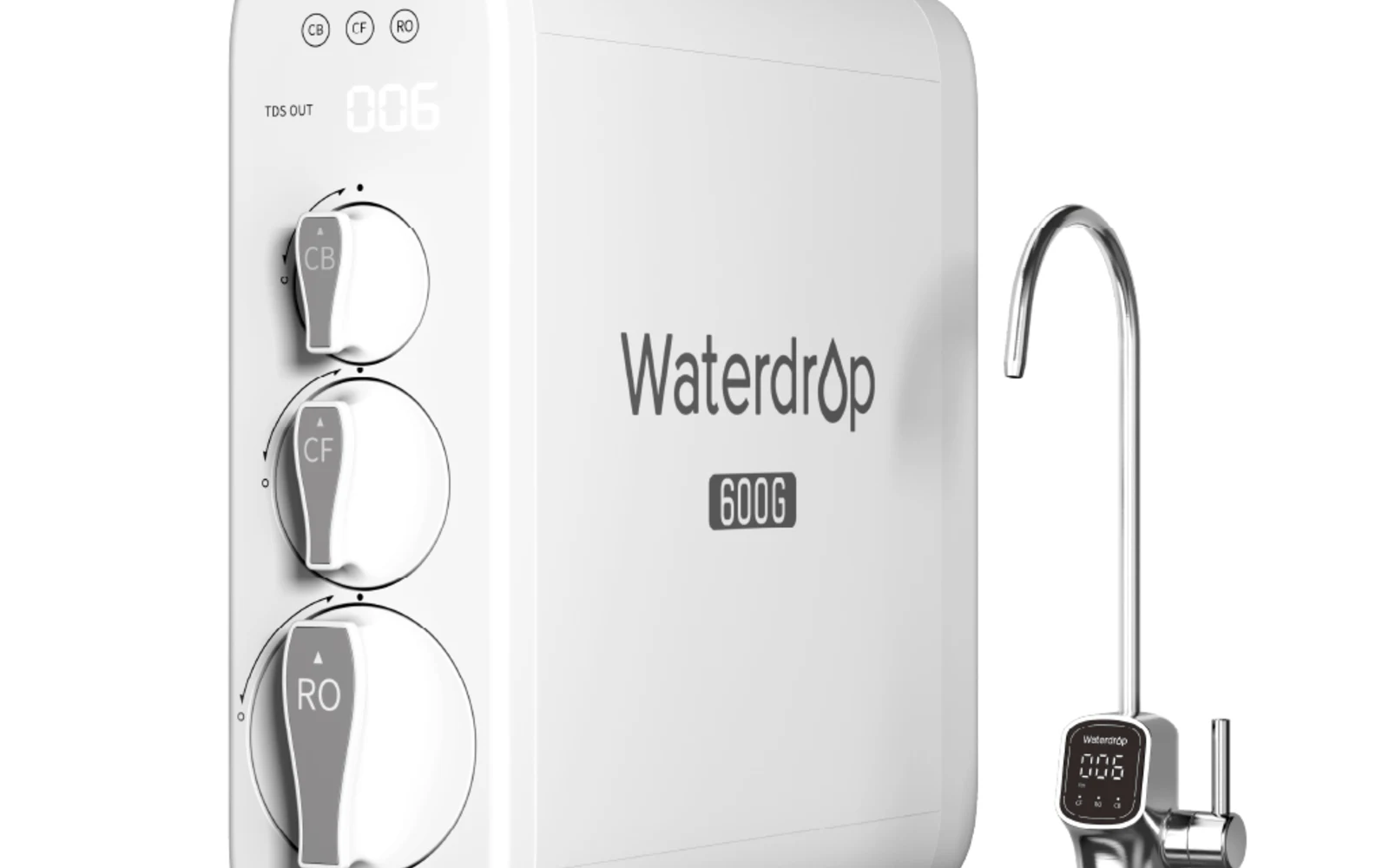
Waterdrop
China / United States · reverse osmosis
Apartment owners and homeowners who want reverse osmosis without a large storage tank and can accept electricity plus proprietary filters.
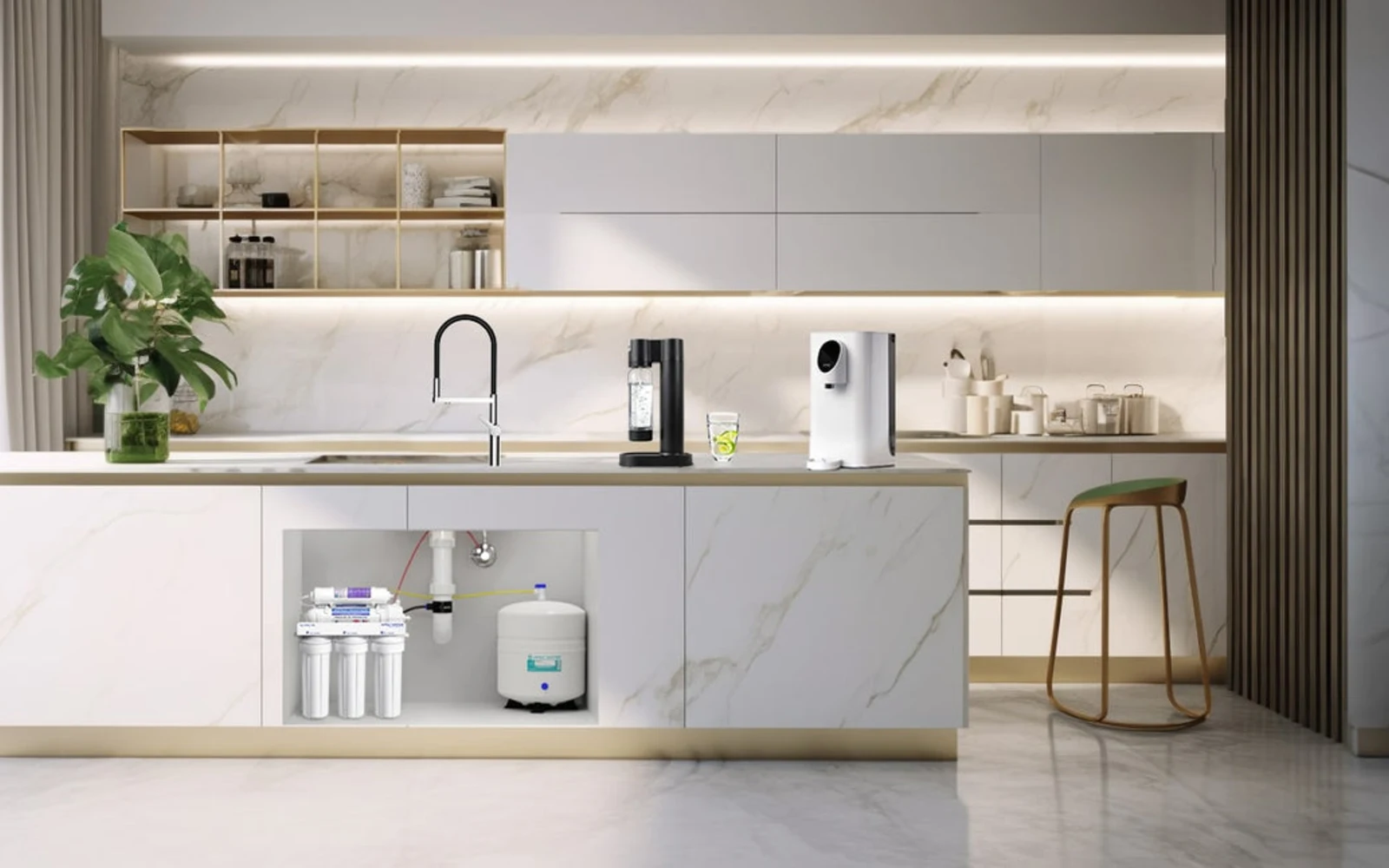
APEC Water
United States · reverse osmosis
Buyers who want a conventional under-sink RO system with a tank, standard filters, and lower upfront cost.
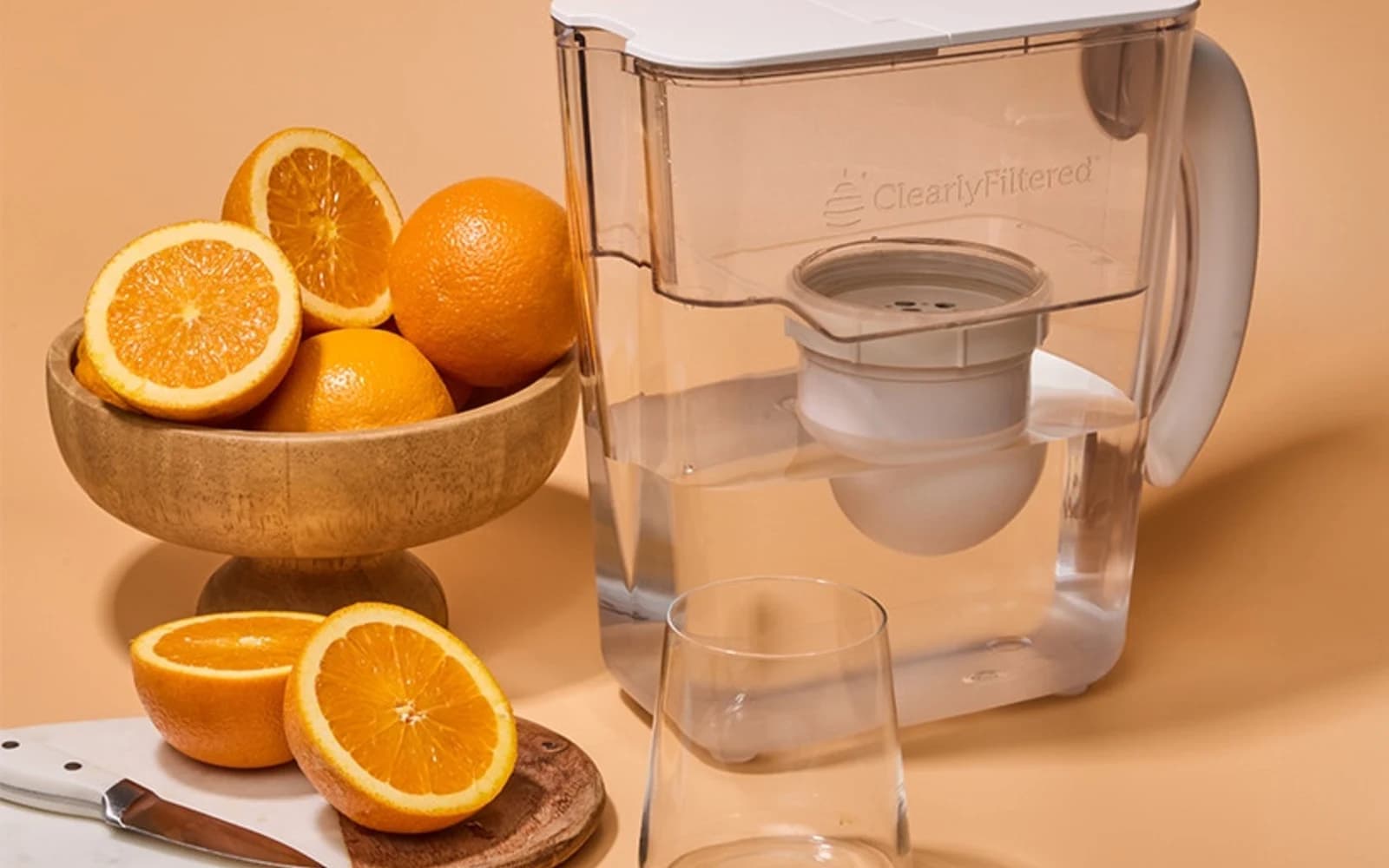
Clearly Filtered
United States · pitcher
Renters or low-install buyers who want stronger lab-backed claims than a standard pitcher and can tolerate slower flow.
Start where the selling stops.
Get the practical checklist: read your water report, pick the right filter type, verify the claim, and compare the short list.
Just starting your water filter research?
Certified claims, replacement costs, and the mistakes to avoid. One email, no spam.
Not sure what type you need? Use the filter picker
Before you buy
Water filter questions, answered straight.
- How do I know which water filter I actually need?
- Start with your water, not a product. City-water customers can read their utility’s annual Consumer Confidence Report; private-well owners need a certified lab test, because no utility report covers a private well. Identify the specific contaminant first, whether that is lead, PFAS, nitrate, arsenic, chlorine taste, hardness, or sediment, then match a filter certified to reduce it. Buying by brand before you know the problem is the most common expensive mistake.
- Reverse osmosis, carbon, or whole-house: which type is right?
- They solve different problems. Carbon filters (pitcher, faucet, or under-sink) are usually right for chlorine taste, odor, many VOCs, and lead or PFAS when the exact model is certified. Reverse osmosis is the stronger lane for nitrate, arsenic, fluoride, and high TDS, but it costs more, needs space, and wastes some water. Whole-house filters handle sediment, chlorine, and scale for every tap, yet often still need a point-of-use filter at the kitchen for drinking-water contaminants.
- How much does a water filter cost, including replacement filters?
- Price the first year and the next few years, not just the sticker. A pitcher is cheap upfront but cartridges add up; under-sink carbon systems are commonly in the low hundreds; whole-house systems move into four figures before installation. The real cost is the system plus scheduled replacement cartridges, so a low-priced unit with short-life proprietary filters can end up more expensive than a pricier one.
- What does NSF/ANSI certification actually mean?
- A certification badge is only as good as the exact model and claim behind it. NSF/ANSI 42 covers mostly aesthetic issues like chlorine taste; 53 covers many health-related claims such as lead; 58 is reverse osmosis; 401 covers some emerging compounds; and 372 covers lead-free materials. The right question is not whether the brand is certified, but whether this exact model is certified for the contaminant you care about, verified against a recognized database rather than the marketing.
- Do I need a whole-house filter or a point-of-use filter?
- It depends on the goal. A whole-house system improves showers, laundry, appliances, sediment, chlorine taste, and scale for the entire home, but it is not automatically the best answer for lead, PFAS, nitrate, or arsenic at the kitchen tap. An under-sink or pitcher filter targets drinking water where you actually consume it. Many homes end up with both: a whole-house filter for the house and a certified point-of-use filter for the glass.
- Do I even need a water filter?
- Not always. If your water report shows nothing above its limit and you have no taste, odor, lead-pipe, or private-well concerns, a filter may be optional. A filter earns its cost when the report or a lab test shows a specific problem, when older plumbing raises lead risk, or when taste and odor make you drink less water. Let the water report decide, and treat boil-water or emergency situations as a separate issue that needs official guidance, not a filter purchase.