
Certification-first brand directory
Best water filter brands for 2026, sorted for the water you actually have.
Start with your water report, not a brand. All 16 brands here are compared by filter type, certified claims, price, and the situations where each one makes sense. A certification belongs to an exact model, never to a logo.
- Brands
- 16
- Countries
- 5
- Sources
- 51
Editor picks
The water filter brands worth a shortlist
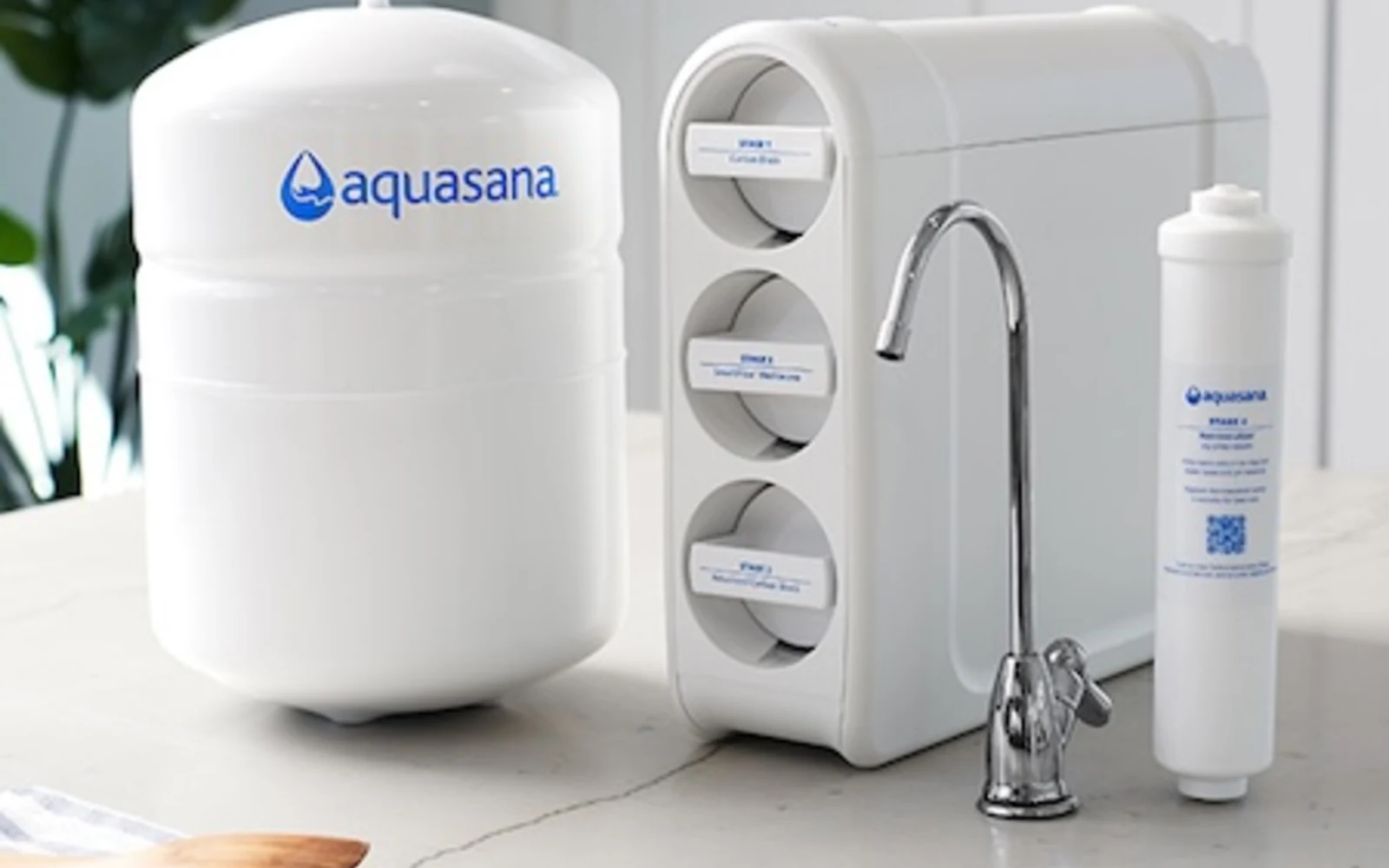

Best Under-Sink Carbon
Aquasana
Strong certification story, normal-kitchen fit, and a better ownership path than most generic carbon systems.
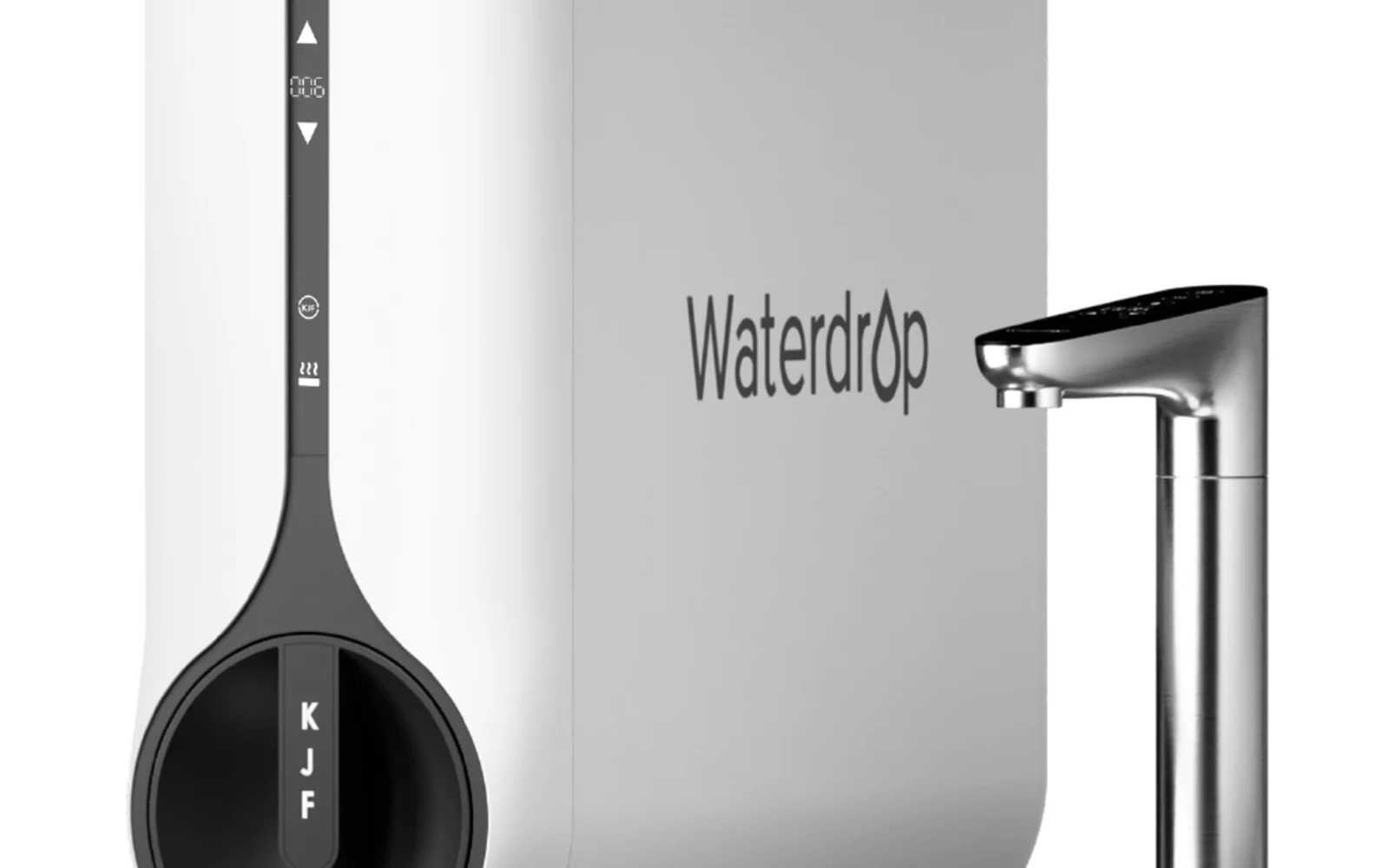

Best Tankless Reverse Osmosis
Waterdrop
Compact, fast, and well documented. Worth the premium when cabinet space and RO performance both matter.
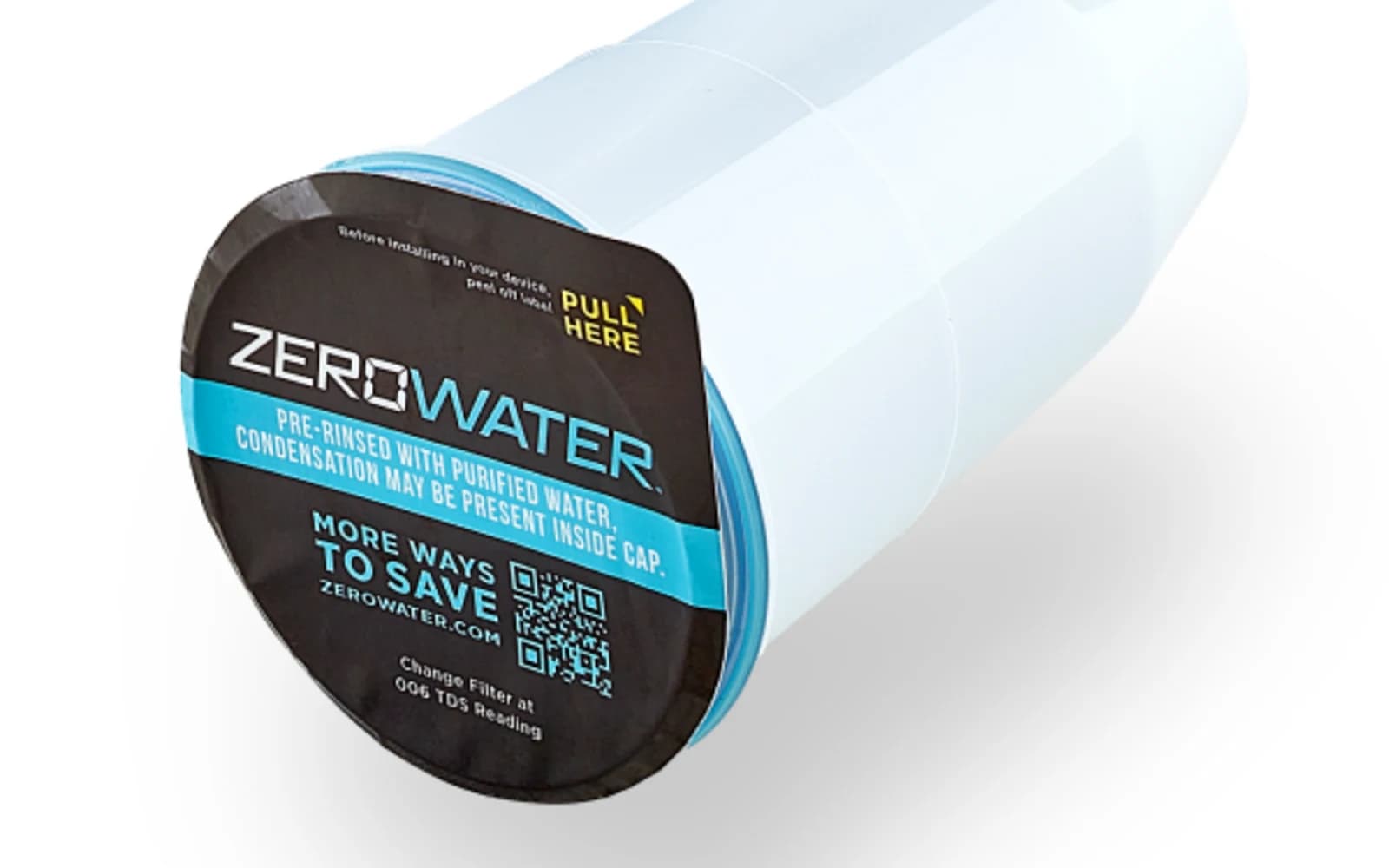

Best Budget Pitcher for Certified Claims
Culligan ZeroWater
Low upfront cost, a TDS meter, and strong IAPMO certification language for several high-concern contaminants.

Best Premium Pitcher
Clearly Filtered
The pitcher to compare when your concern list goes beyond chlorine taste and you cannot install anything.

Best Whole-House City-Water System
SpringWell
A serious whole-house option for chlorine, chloramine, and every-tap water feel, with point-of-use caveats clearly stated.
All 16 water filter brands we cover
Filter by the job the water needs done. Every card links to the full verdict, certification notes, sourced price and caveats.
Showing 16 of 16 brands
Aquasana
Aquasana belongs on almost every serious city-water shortlist. It is not the cheapest route, and it is not a full reverse-osmosis system, but its certification story is stronger than most lifestyle filter brands and the Claryum line fits normal kitchens well.
Read the verdict
Waterdrop
Waterdrop is the cleanest pick when cabinet space is tight and reverse osmosis is the right technology. The caveat is ownership cost. The systems are slick, fast, and compact, but replacement cartridges and electronics make it less simple than a classic tank RO.
Read the verdict
APEC Water
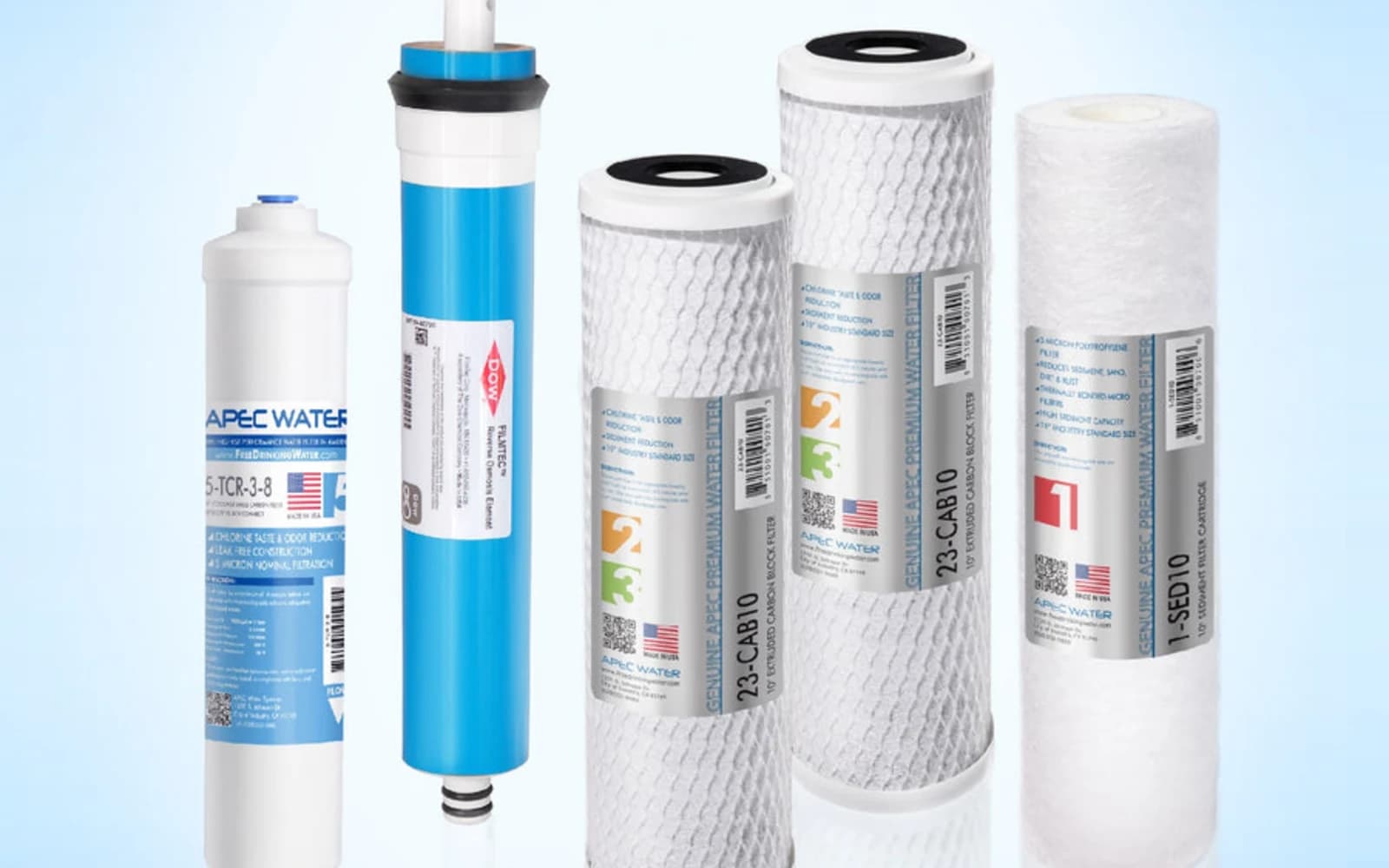
APEC is a sensible budget-to-midrange RO pick if you are comfortable with a storage tank and DIY install. It is less elegant than a tankless Waterdrop, but the ownership model is simpler and cheaper.
Read the verdict


iSpring
iSpring is hard to ignore if value matters. The tradeoff is that you need to be comfortable verifying the exact model, installing a tank system, and owning a more parts-heavy setup.
Read the verdict
Clearly Filtered
Clearly Filtered is not the budget pick. It is the pitcher to compare when your concern list is wider than chlorine taste and you cannot install an under-sink system.
Read the verdict
Culligan ZeroWater
ZeroWater is one of the best value pitchers when certified contaminant reduction matters more than mineral taste. It is not the right pick if your source water has high TDS and you hate frequent cartridge changes.
Read the verdict

Brita
Brita is not the strongest filter brand. It is the cheapest credible baseline. Buy Elite if lead reduction matters, skip Standard if your concern list goes beyond taste and chlorine odor.
Read the verdict
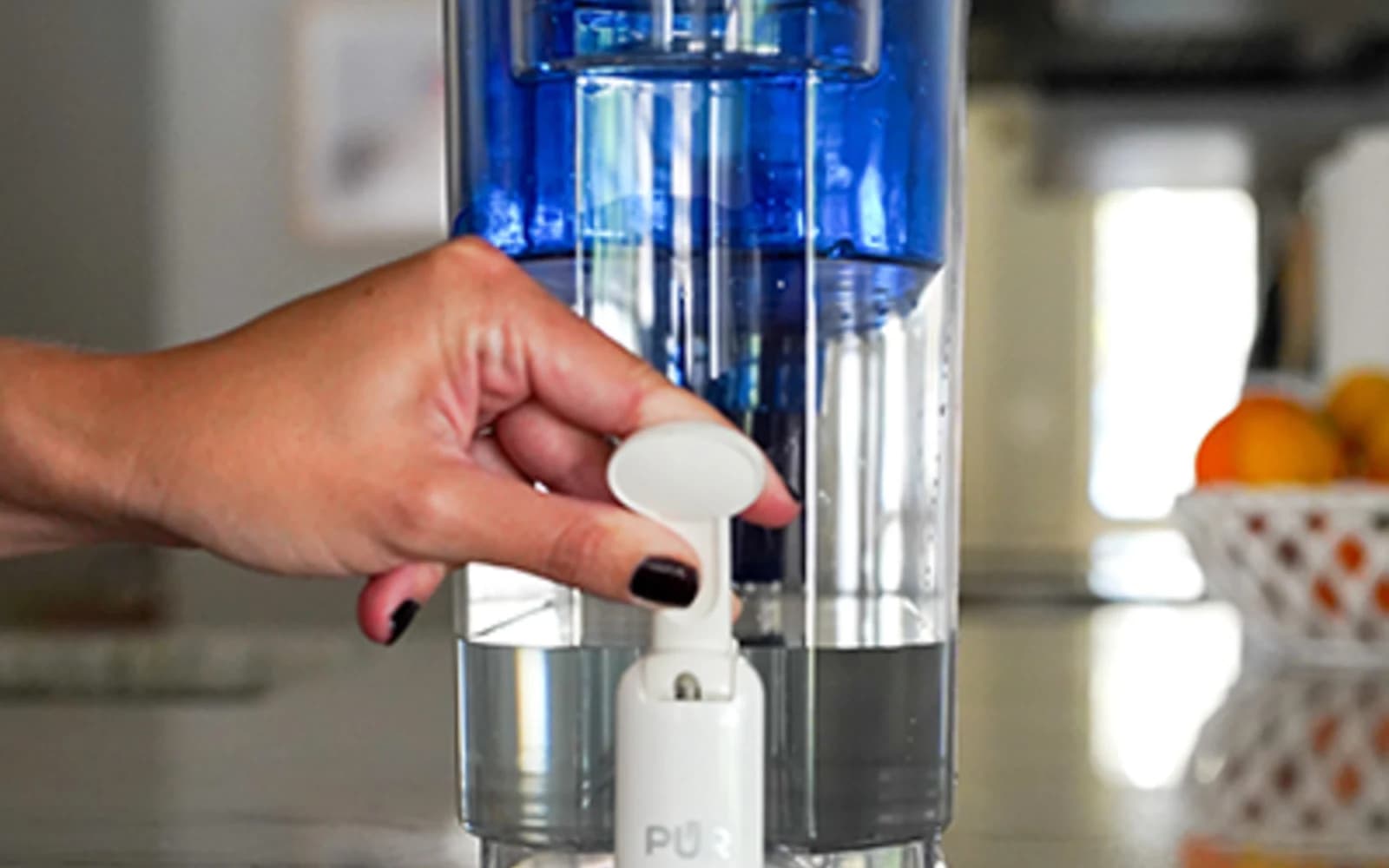

PUR
PUR is a practical renter pick, not a whole-home solution. It is worth comparing for faucet mounts, but buyers should verify lead, microplastics, and other claims on the exact cartridge sold today.
Read the verdict
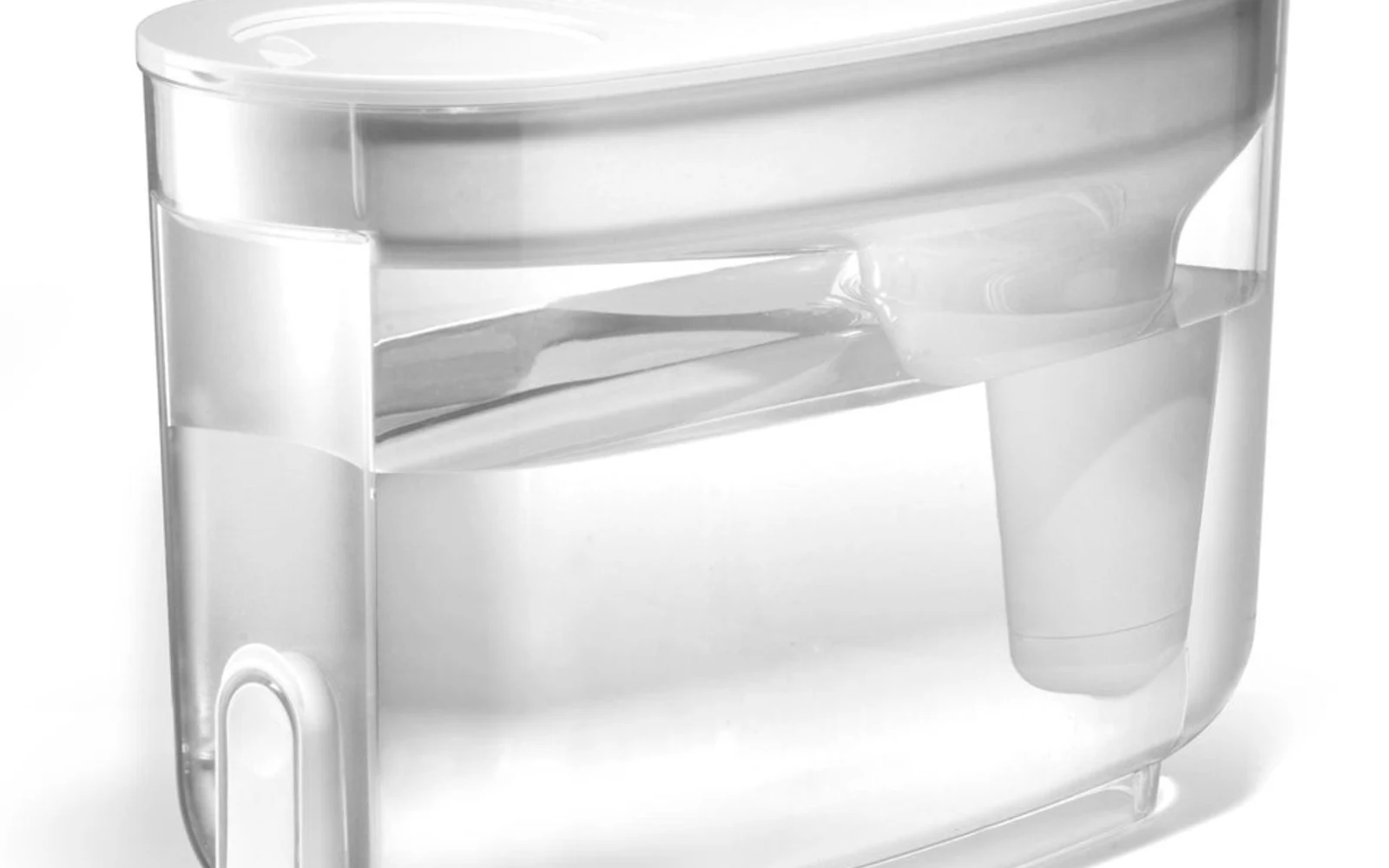

LifeStraw
LifeStraw is the pitcher to compare when microplastics and microbial claims matter. It is slower and more maintenance-heavy than basic pitchers, but the filter architecture is genuinely different.
Read the verdict
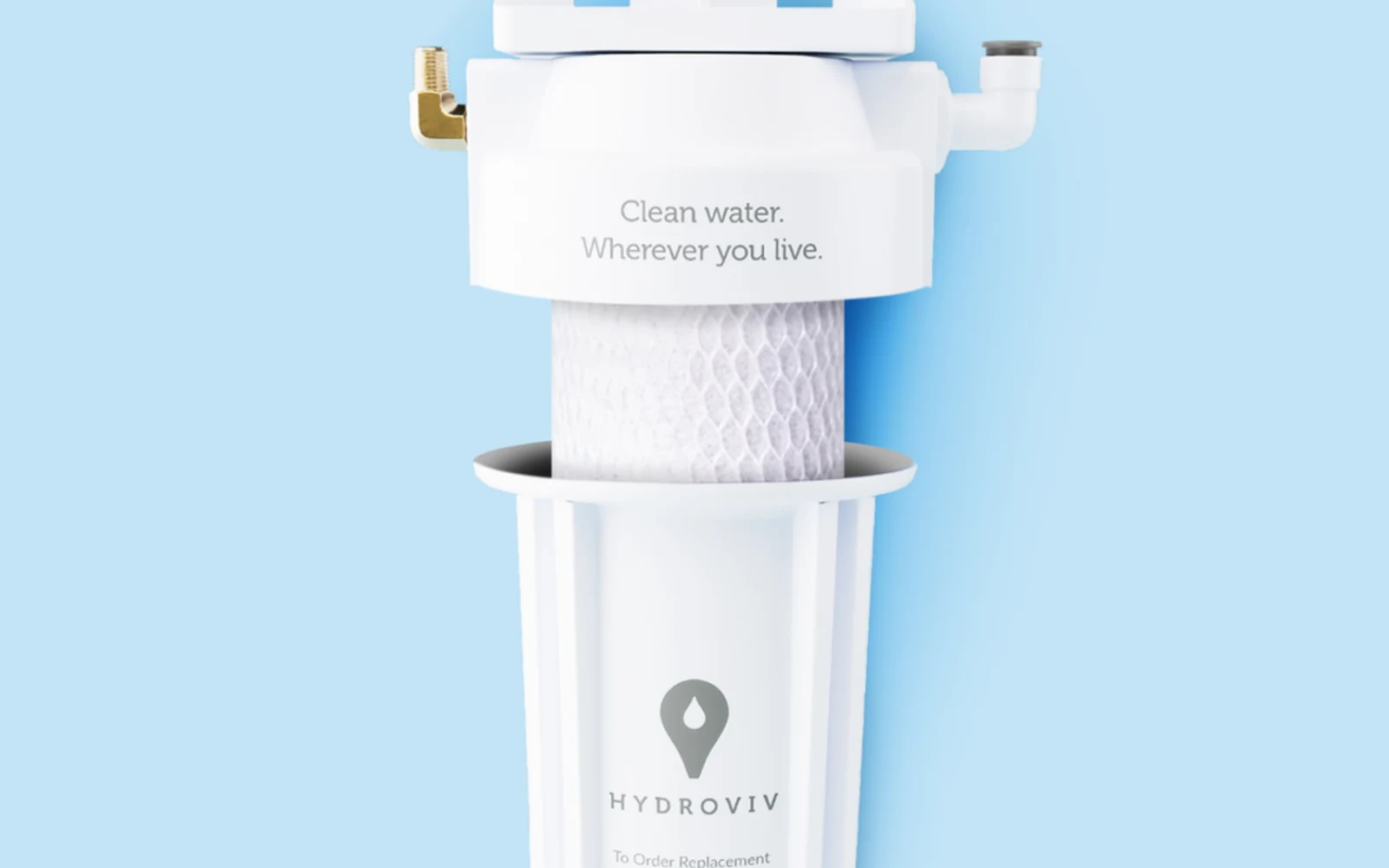

Hydroviv
Hydroviv is compelling when your water problem is specific. If you only want better taste, it is probably overkill. If your report shows PFAS, lead, arsenic, or chloramines, it deserves a serious look.
Read the verdict
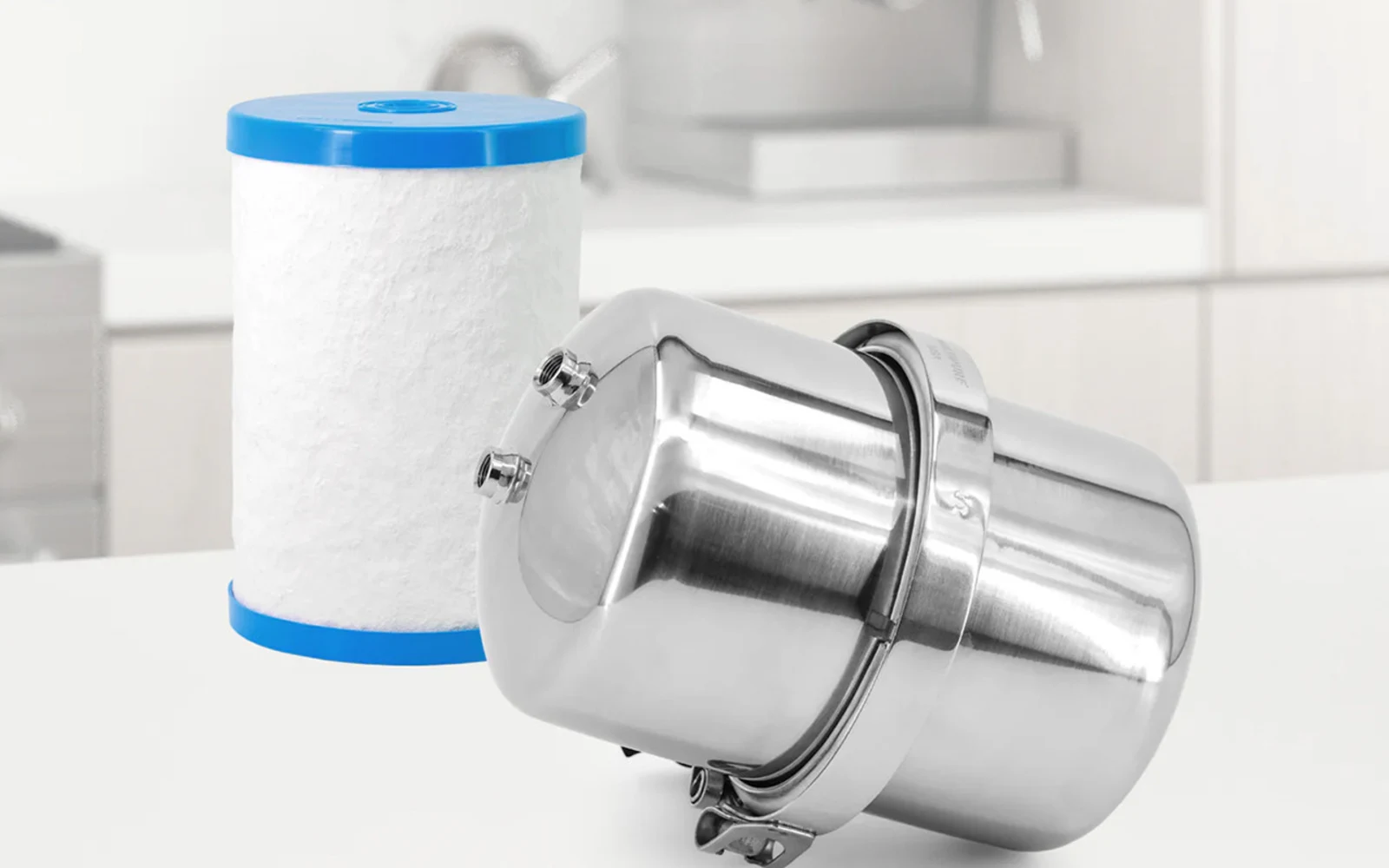

Multipure
Multipure is for the buyer who does not need a shiny appliance under the sink. It is premium for carbon filtration, but the build quality and certification emphasis justify the comparison.
Read the verdict
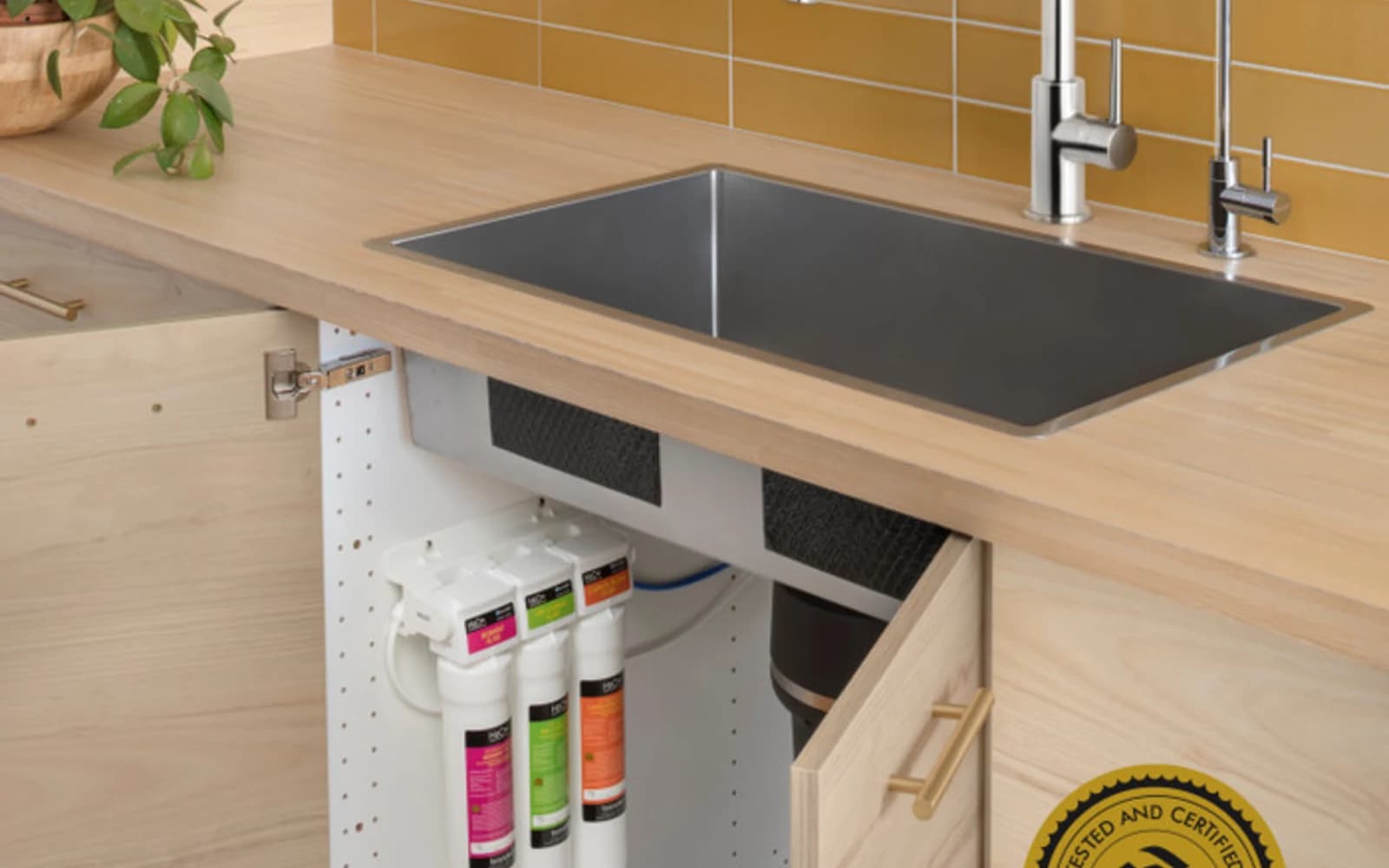

Brondell
Brondell is the tidy RO pick. It is not as high-flow or tech-heavy as Waterdrop, and not as cheap as APEC, but the compact design is genuinely useful in small cabinets.
Read the verdict
SpringWell
SpringWell is a strong whole-house pick when the job is city-water chlorine/chloramine taste, smell, and scale pairing. It should not be sold to yourself as a complete drinking-water safety plan without point-of-use filtration where needed.
Read the verdict

Pentair
Pentair is the grown-up choice when you want a dealer ecosystem and a broader water platform. It is not always the easiest direct-to-consumer comparison, and you still need exact model certification checks.
Read the verdict

Berkey
Berkey solves a real problem: filtration with no plumbing, no power and a large holding capacity. But it is not certified to NSF/ANSI standards, its replacement elements are caught in an unresolved EPA dispute, and counterfeits are circulating. Buy the system with your eyes open, and do not assume you will be able to buy genuine replacement elements when the ones in the box run out.
Read the verdict

AquaTru
If your concern list runs past chlorine taste into lead, PFAS or nitrate, and you cannot or will not install an under-sink system, AquaTru is the strongest countertop answer we know of. It is certified to NSF/ANSI 42, 53, 58 and 401 for every contaminant it claims, which almost nothing else in the countertop category can say. You pay for that in price and in counter space.
Read the verdict
Compare all 16 side by side
| Rank | Brand and verdict | Price range | Check first |
|---|---|---|---|
| 1 | Aquasana | $200 to $2,798As of July 2026 | Match the exact model to the certification claim. Do not assume every Aquasana system carries the same contaminant list. |
| 2 | Waterdrop | $249 to $1,999As of July 2026 | Do not buy a tankless RO just because it is newer. Choose it because space, flow, or water waste matters. |
| 3 | APEC Water | $231 to $410As of July 2026 | Read the WQA listing and performance data sheet before assuming broad contaminant reduction. |
| 4 | iSpring | $199 to $600As of July 2026 | Check whether the entire system, not only components, is certified for your target claim. |
| 5 | Clearly Filtered | $90 to $550As of July 2026 | Separate NSF/WQA certified claims from lab-tested claims before treating a contaminant as covered. |
| 6 | Culligan ZeroWater | $35 to $80As of July 2026 | Use the included TDS meter, but do not confuse low TDS with full safety. |
| 7 | Brita | $20 to $70As of July 2026 | Use Brita Elite, not Standard, when lead reduction is the job. |
| 8 | PUR | $35 to $45As of July 2026 | Check the exact filter model against NSF/WQA/IAPMO databases before relying on a lead claim. |
| 9 | LifeStraw | $45 to $65As of July 2026 | Check the exact LifeStraw Home contaminant list, not the outdoor straw claims. |
| 10 | Hydroviv | $133 to $707As of July 2026 | Use your actual water report when ordering. |
| 11 | Multipure | $550 to $1,250As of July 2026 | Check current NSF/IAPMO listings for the exact model. |
| 12 | Brondell | $70 to $450As of July 2026 | Compare annual filter cost before buying the clean enclosure. |
| 13 | SpringWell | $1,170 to $2,160As of July 2026 | Start with a water test, especially for wells. |
| 14 | Pentair | $88 to $597As of July 2026 | Ask for model-level NSF/WQA/IAPMO listings before approving a quote. |
| 15 | Berkey | $50 to $550As of August 2026 | Berkey is not NSF/ANSI certified. The company commissions its own laboratory testing and states it exceeds NSF standards, which is a different claim from being certified to one. |
| 16 | AquaTru | $375 to $1,699As of August 2026 | Check the certification against the exact model. The Carafe, Classic, Under Sink and freestanding units are different products. |
Filter type, price, and the one thing to check before buying, in a row each. Filter by the job the water needs done. Last data pass: August 16, 2026.
Prices are system prices from the brand's own store, dated. Replacement filters are the recurring cost and often the larger number over five years. Each brand page shows the source and date behind its range.
How we rank
What these rankings are built on
Every profile is researched from 51 sources across the 16 brands in 5 countries: manufacturer product pages, certification listings, and warranty documents. Last data pass: August 16, 2026. Each brand page links its own sources.
We don't sell filters and we take no money to move a brand up this page. The order reflects how often a brand deserves a look once you know what is in your water.
- 1.Certification belongs to an exact model, never to a brand. We separate what a specific system is certified to reduce from what the marketing page implies.
- 2.We start from the contaminant, not the product. A brand that is right for lead in city water can be the wrong answer for nitrate in a private well.
- 3.Replacement cost and cartridge schedule are part of the verdict. A cheap system with expensive filters is not a cheap system.
- 4.We do not overstate PFAS, lead, arsenic, nitrate, or microbial reduction. If the exact model claim does not support it, we do not write it.
Frequently asked questions
What is the best water filter brand overall?
There is no single best brand for every home. Aquasana is our safest first stop for certified under-sink carbon filtration, Waterdrop leads the compact tankless reverse-osmosis lane, ZeroWater is the best low-install budget pitcher, and SpringWell is strongest for whole-house city-water treatment.
What certification should I look for in a water filter?
For taste and chlorine, look for NSF/ANSI 42. For health-related contaminants like lead and PFAS, look for NSF/ANSI 53. For reverse osmosis, look for NSF/ANSI 58. Certifications from NSF, WQA, or IAPMO are stronger than a brand saying it was tested in a lab.
Do pitcher filters remove PFAS?
Some do, but many do not. Check the exact cartridge against NSF, WQA, IAPMO, or a current performance data sheet. Do not assume a brand removes PFAS because it improves taste or reduces chlorine.
Should I buy whole-house or under-sink filtration?
Whole-house filtration is best for water feel, odor, and all taps. Under-sink or reverse-osmosis filtration is usually the clearer path for drinking-water contaminants. Many homes need both: whole-house for utility water and point-of-use for drinking water.
How do I find out what is actually in my water?
If you are on city water, start with your utility’s annual Consumer Confidence Report, which is free and lists what was detected and at what level. If you are on a private well, no one tests it for you, so send a sample to a certified lab and include nitrate, bacteria, arsenic, and anything your county flags locally. Buy the filter after that report, not before it.
What does a water filter really cost per year?
The system price is the smaller half for most households. Replacement cartridges are the recurring cost, and the schedule is set by water quality and use, not by the calendar on the box. Before you buy, price a full set of replacements and multiply by how often the manufacturer says to change them. A cheap system with expensive filters is not a cheap system.